On the surface, a screen is a screen. Many retailers see a digital signage display on a wall and electronic shelf labels on a shelf and assume they do the same job. In reality, ESL technology and digital signage software solve very different problems in the store.
This article breaks it down. We’ll unpack the key differences between ESL and digital signage display solutions. We’ll walk through the main use cases for each, and how e-paper display labels and large screens can work together on one site.
What Is Digital Signage in Retail?
Digital signage in retail is about big, high-impact communication. A digital signage display is a networked screen that shows dynamic content: video loops, motion graphics, campaign templates, menus, or simple price boards. All driven by digital signage software from head office or a central team.
Done well, a digital signage display nudges customers to a category or offer before they even reach the shelf. It works hand in hand with other retail automation tools by making data and campaigns feel real in the space.
What Are Electronic Shelf Labels (ESLs)?
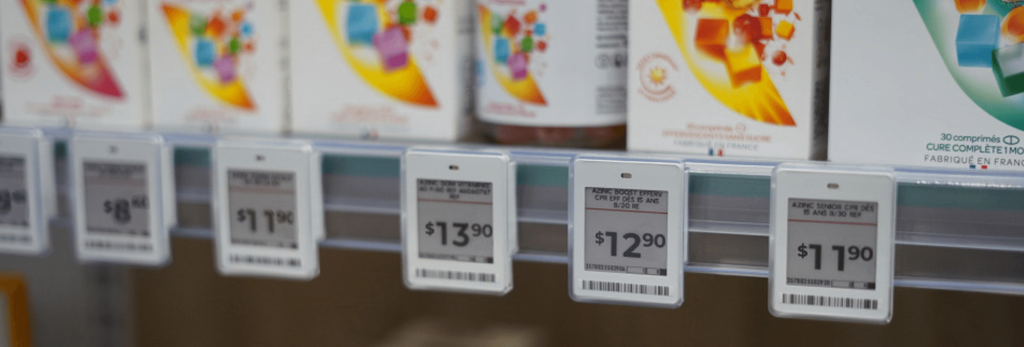
Electronic shelf labels sit at the other end of the scale. ESL technology covers small digital or e-paper display tags that replace paper tickets at the shelf edge. Think of thousands of tiny screens lining your aisles.
The main job is accuracy and consistency. ESLs keep prices aligned with your POS, promos live at the right time, and errors to a minimum. For retailers running dynamic pricing or frequent markdowns, ESL technology turns a painful manual job into fast, repeatable retail automation.
Key Differences and When to Use Each
The easiest way to think about it? Purpose.
A digital signage display is there to attract attention, tell stories, guide shoppers through the space, and promote offers. It works best for campaigns, brand messages, and range education. Digital signage software schedules content, targets it by store or time of day, and lets you shift messages quickly.
Electronic shelf labels are there to be precise. ESL technology delivers current pricing and product information right at the point of decision. It supports dynamic pricing, national promos, and local offers without piles of paper tickets or rushed changes on the shop floor.
Content is different, too. Digital signage display content is rich and visual: videos, hero images, simple big statements. ESL and e-paper display content is structured and data-heavy: price, SKU, promo, barcode.
So, where do you use each? Use digital signage in front-of-store, power aisles, and service zones to drive awareness and cross-sell. Use electronic shelf labels on the shelf edge to reduce ticketing labour, lift compliance, and support frequent price or promo changes without chaos.
How Digital Signage and ESLs Work Together In-Store
The real power appears when you connect them. Both a digital signage display network and ESL technology can pull from the same pricing, promo, and inventory data.
Picture this. A digital signage display at the entry pushes a “Fresh Weeknight Dinners” campaign. In-aisle screens highlight three key products and a value bundle. On the shelf, electronic shelf labels and e-paper display tags show the same offer, correct price, and any multi-buy rules.
The shopper’s journey feels smooth. Big screens drive interest. ESLs confirm the deal with clear numbers. That flow builds confidence and speeds up the decision. It also means digital signage software and ESL systems are telling the same story, not competing.
The Business Impact of Integrating Both
For customer engagement, digital signage display content makes offers more visible and relevant. It can respond to time of day, store type, or local events. ESL and e-paper display labels, then back that up with clear, honest pricing at the shelf. That combination builds trust.
Operationally, electronic shelf labels slash printing and manual ticket changes. Staff can focus on customers instead of swapping paper. At the same time, digital signage software lets your team roll out campaign changes centrally, without couriered posters or in-store guesswork. This is retail automation in practice.
Store performance also improves. You can execute promotions more cleanly. React faster to market changes, price moves, and stock shifts with dynamic pricing and updated content. Because digital signage and ESL technology are data-driven, you can test and refine both content and pricing across the network, then scale what works.
Conclusion
Digital signage and ESL do different jobs, and that’s exactly why they work so well together. Large digital signage display networks help you influence and guide customers. Electronic shelf labels and e-paper display tags keep every price and product detail sharp at the shelf.
If you’d like to see how this could play out in your stores, reach out to Engagis. The team can review your current screens and tickets, and map how digital signage software and ESL technology might fit your environment.