Engagis engineers LED solutions that perform where it matters — delivering sharp, vivid visuals in any environment, at any scale. With over 24 years’ experience working alongside Australia’s leading retailers and organisations, we match the right technology to your space and investment.
LED Display Solutions. Specified Right. Deployed at Scale.
Trusted by Australia’s leading retailers and organisations

































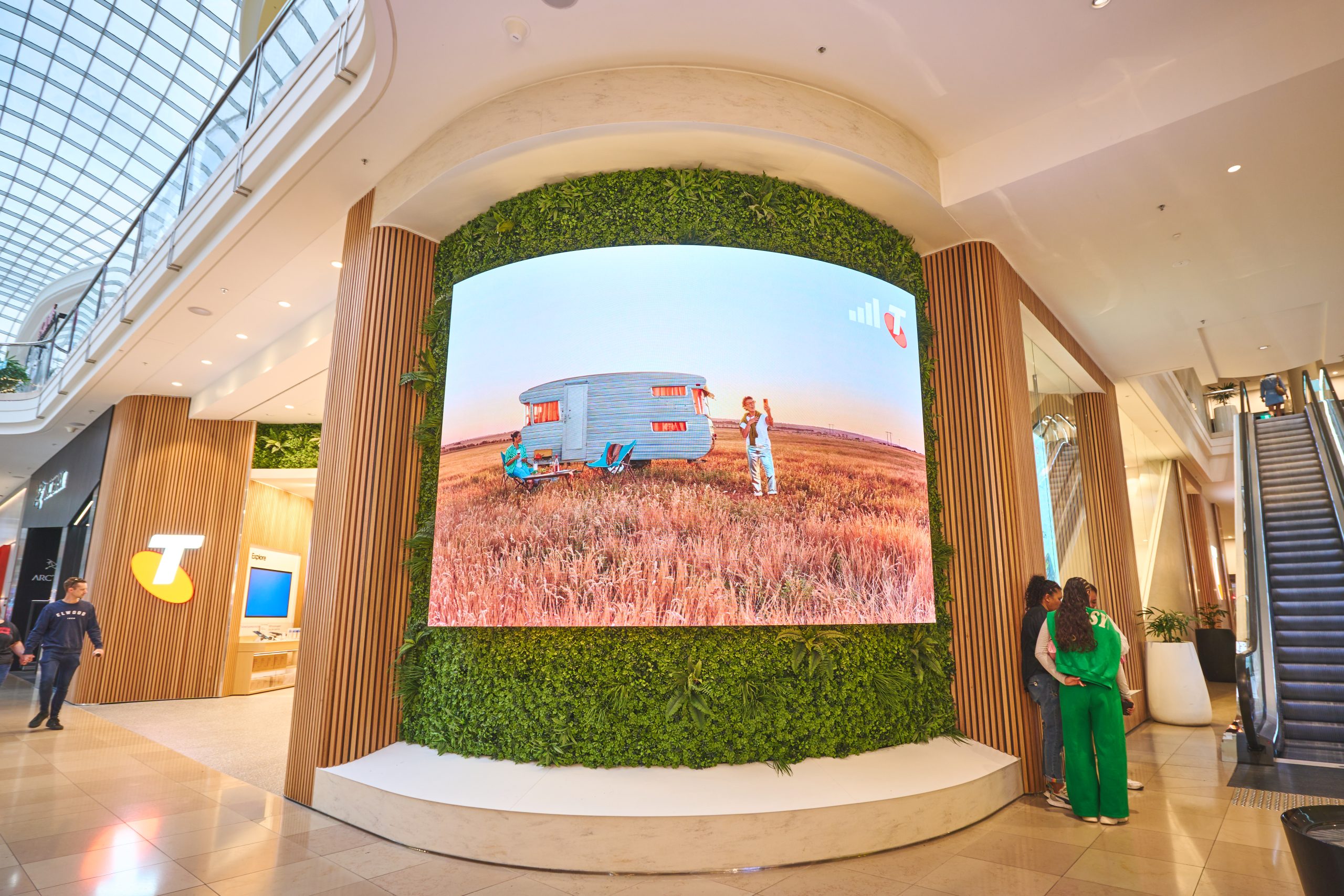
LED Screens in Real Environments
See how our LED display solutions come to life in real environments, delivering impact at scale.
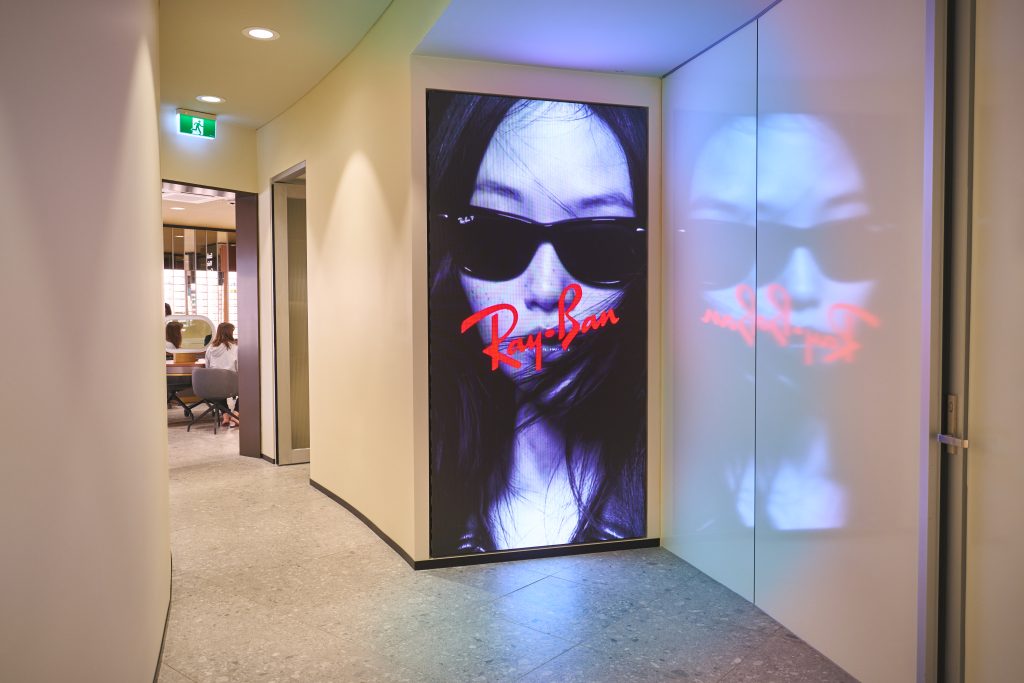
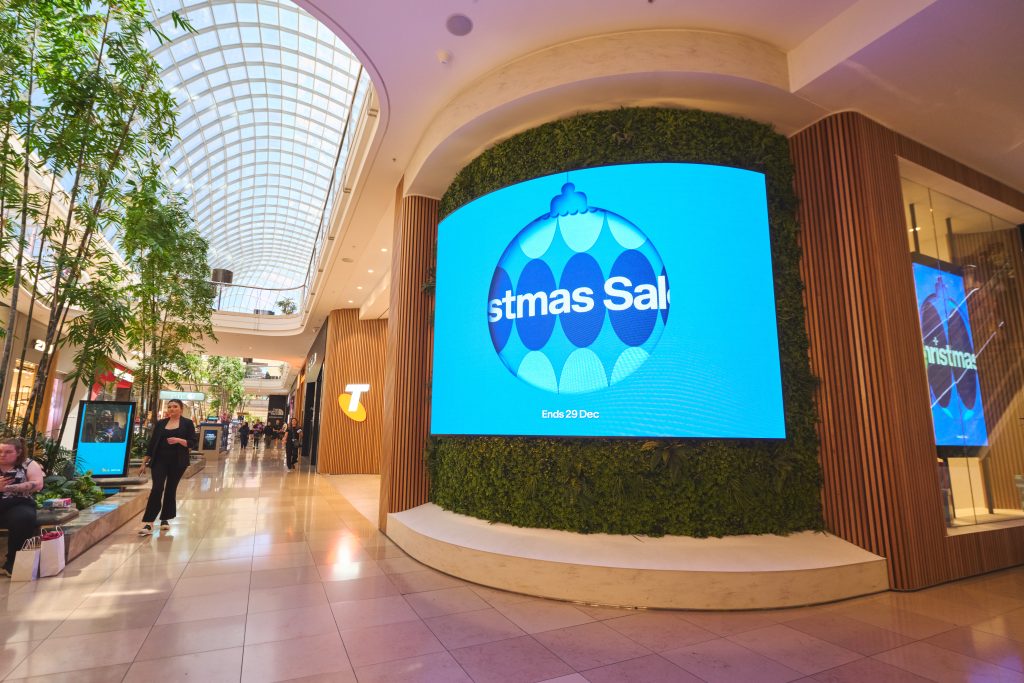
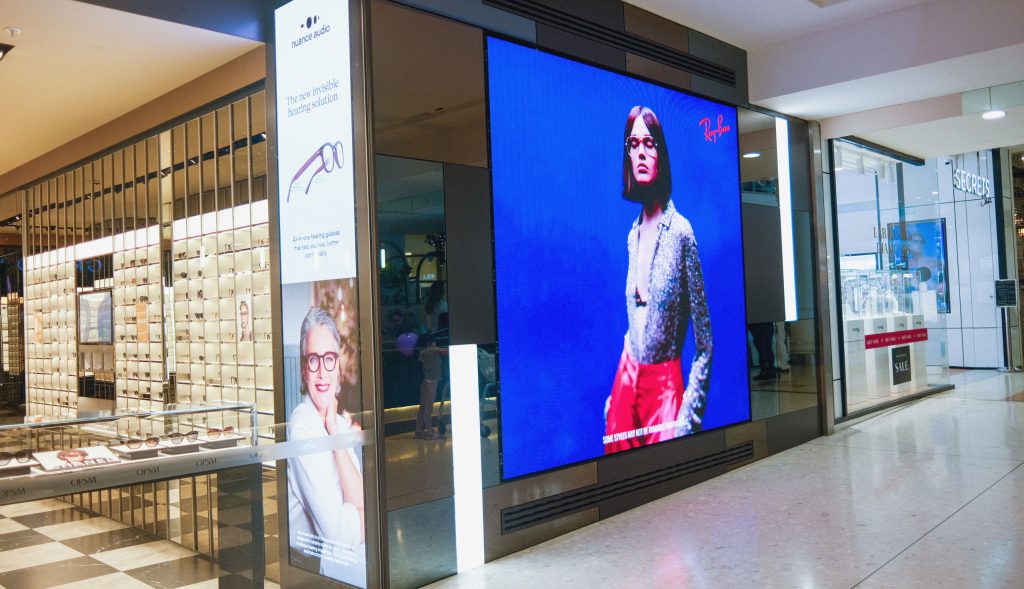

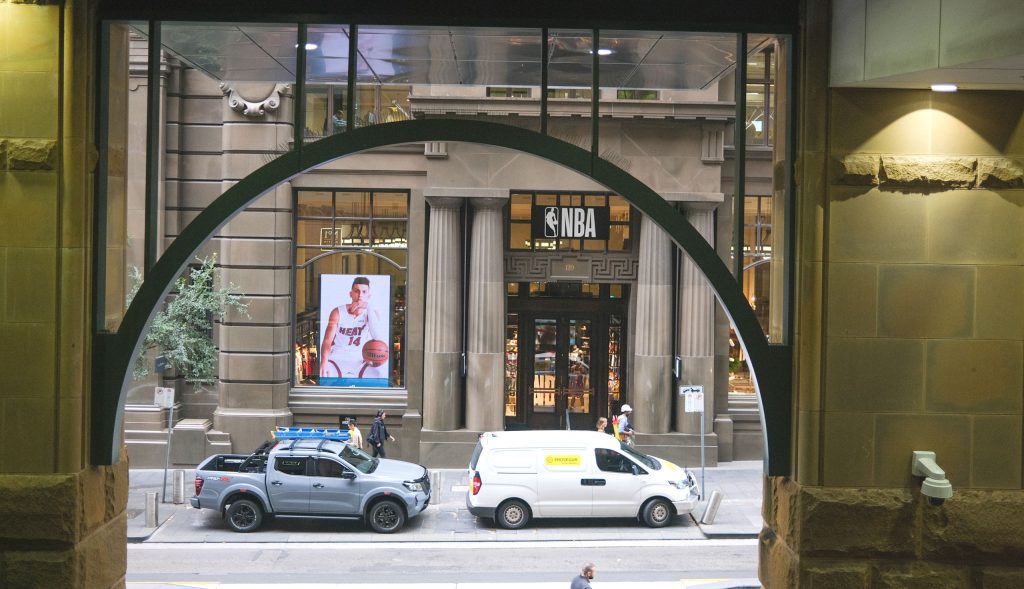


Indoor LED Displays
LED Solutions
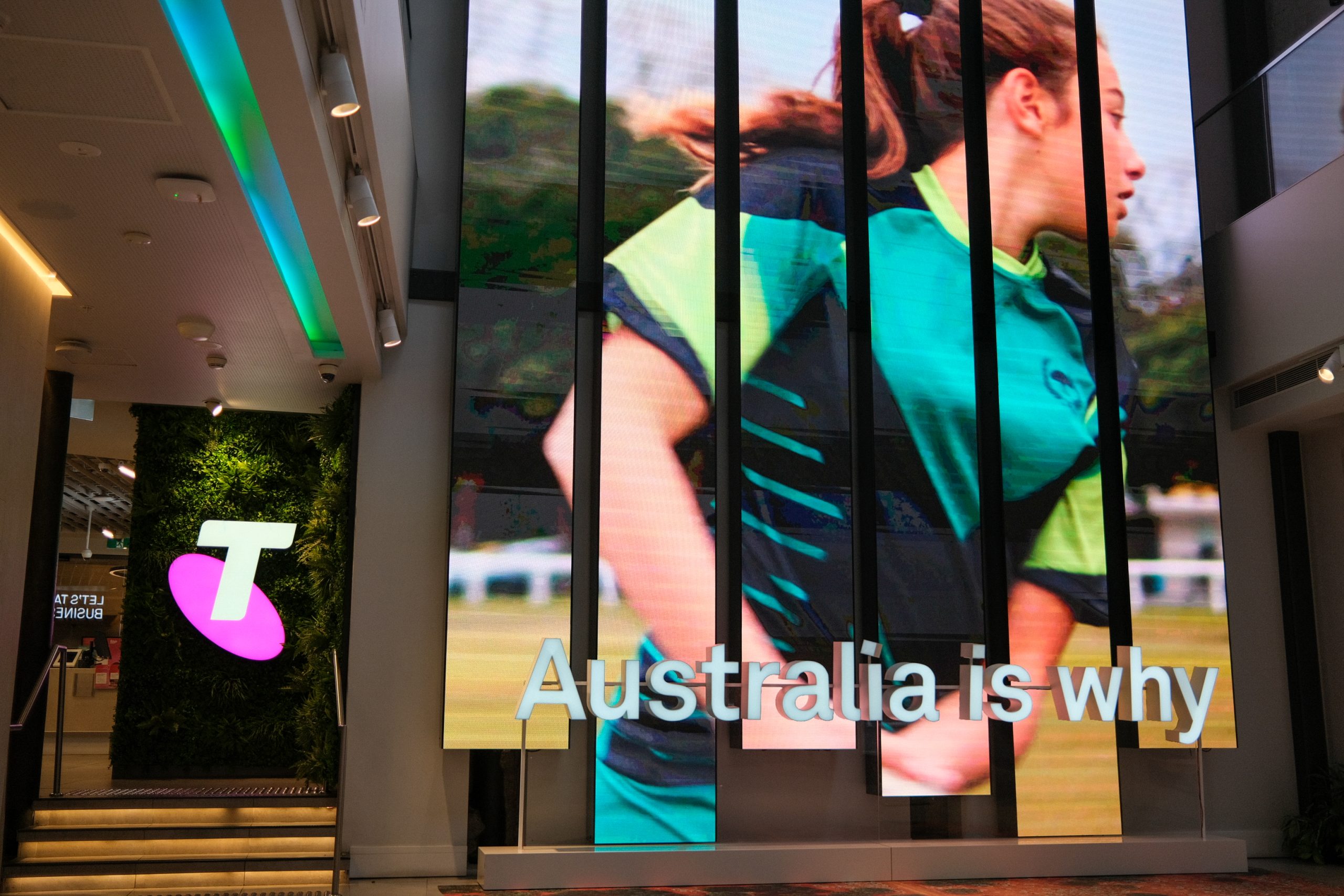
Pixel pitch determines how sharp content appears at your minimum viewing distance — and specifying it correctly is the difference between a display that reads clearly and one that doesn’t.
We assess brightness requirements against your actual ambient light levels, and for retail environments where in-store content is captured on social, we specify refresh rates that eliminate scan lines under smartphone cameras.
Every unit is calibrated and playback-tested before leaving our staging facility.
Transparent LED Displays
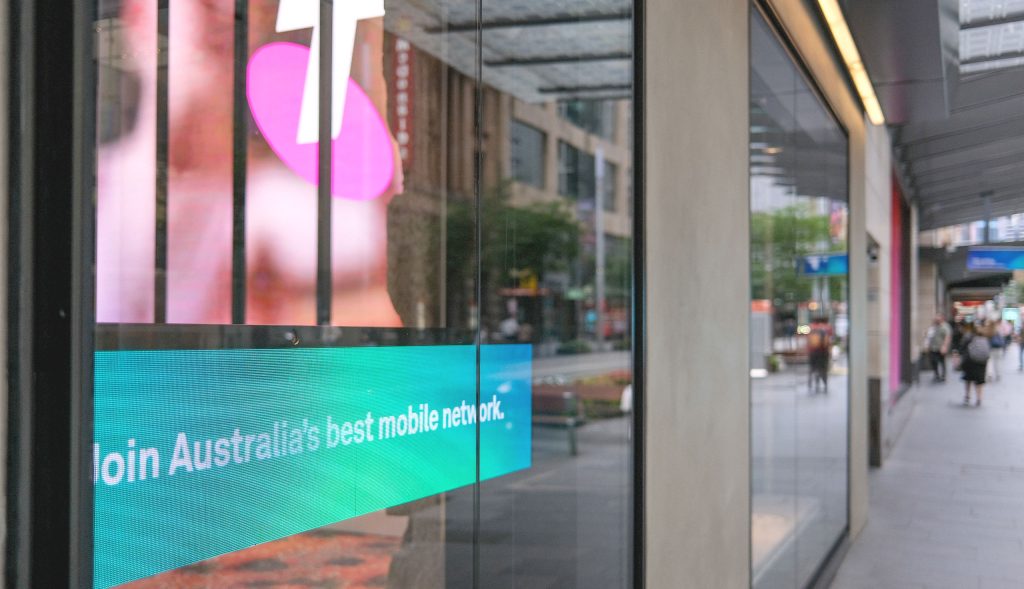
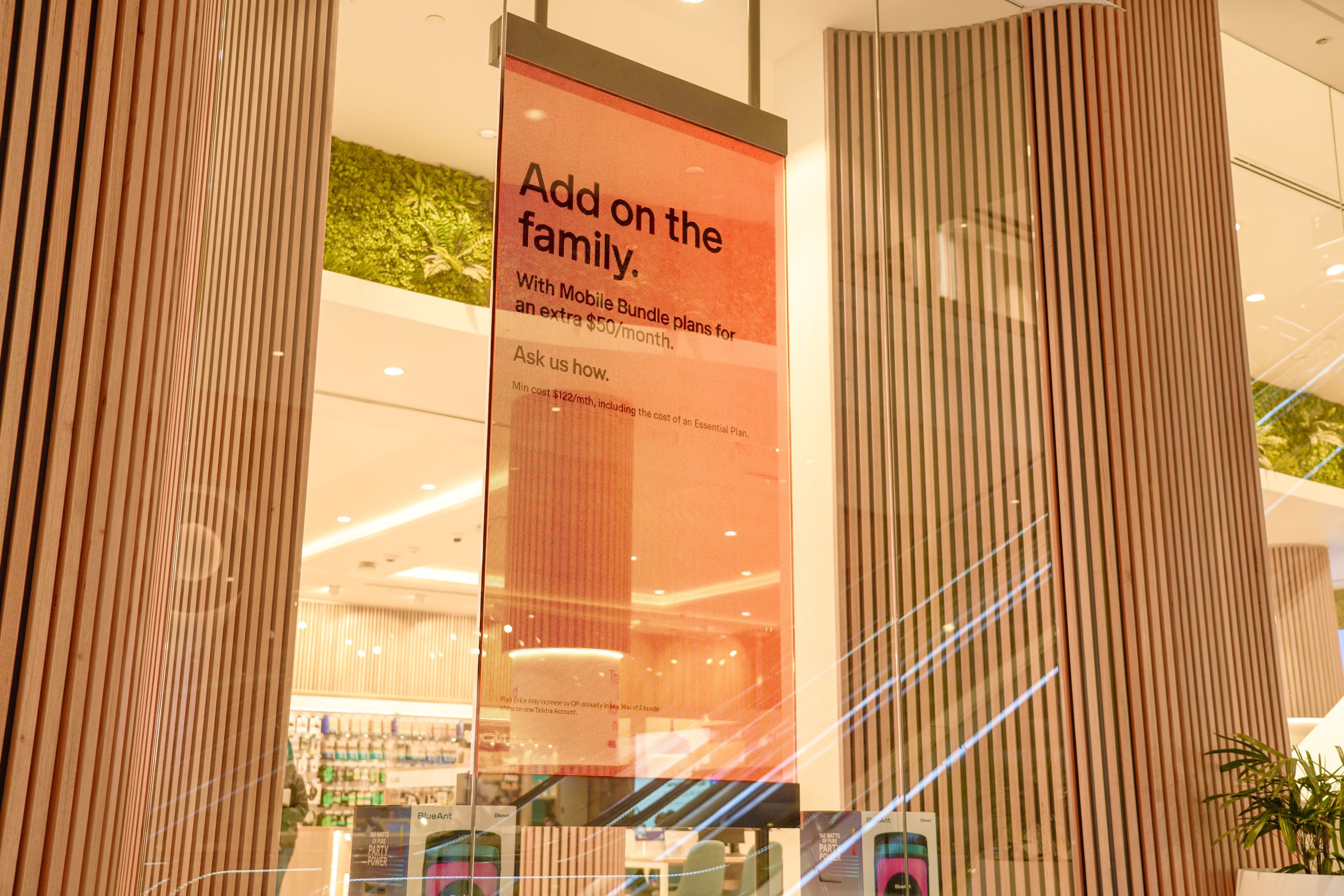
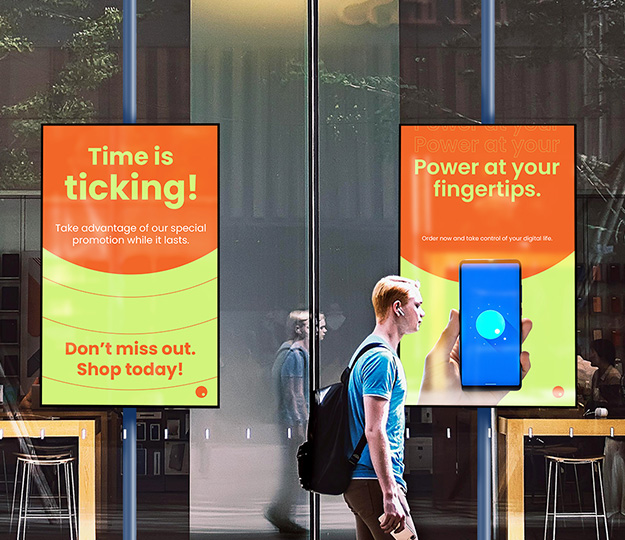
Transparent LED screens provide a striking combination of visibility and impact, allowing you to display dynamic content while maintaining the natural transparency of your windows.
You can use transparent LED screens in a variety of creative applications. They’re perfect for retail windows, where you can showcase attract attention and display promotions without blocking the view inside and allowing natural light into your store. They also work well in corporate offices for innovative presentations or in event spaces for engaging displays.
Key features of transparent LED screens include high transparency rates, vibrant colours, and the ability to create stunning visual effects. They can be easily integrated into existing window spaces, making them a versatile, modern choice for Australian businesses looking to capture attention while preserving light and openness.
Outdoor LED Displays
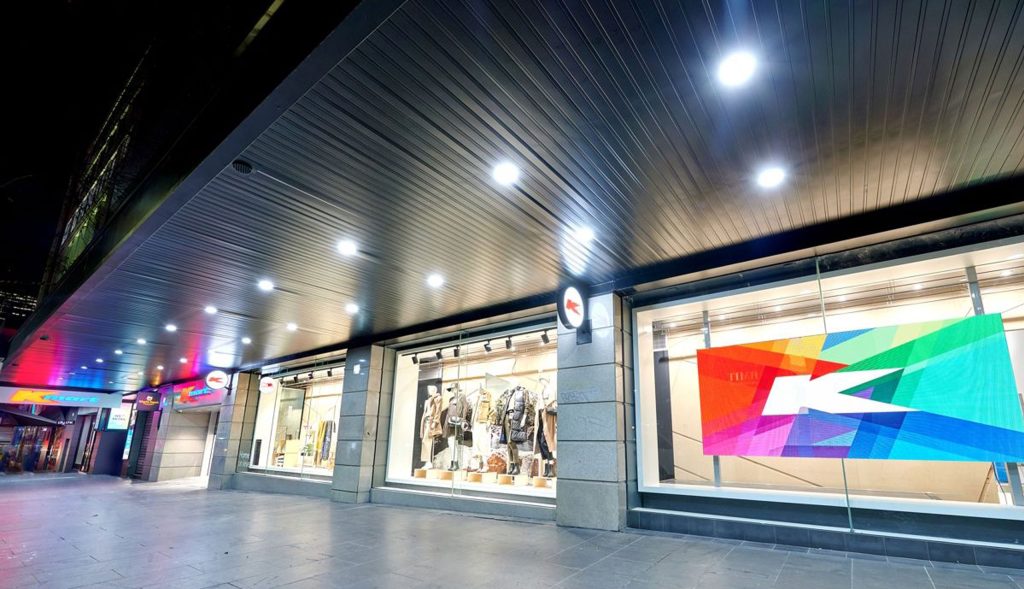
Our outdoor LED displays deliver vivid, high‑brightness visuals that remain striking day or night. Designed to withstand the elements, these weatherproof solutions are ideal for high-visibility messaging—from retail exteriors and public spaces. With flexible, easily updated content, they’re perfect for promotions, events, and brand awareness campaigns. Key features include wide viewing angles, rugged durability, and exceptional clarity in all conditions.
Why Organisations Choose Engagis

Specification Expertise
Getting the specification right before procurement saves significant cost and avoids underperforming installations. Our team assesses pixel pitch, brightness, refresh rate, colour gamut, viewing distance, and structural requirements as standard— so you receive a solution genuinely matched to your space, not a generalised recommendation.

Hardware Proven at Commercial Scale
We work with a select group of LED manufacturers whose cabinets are validated across high-demand retail and commercial deployments in Australia. Every display we specify meets the brightness, longevity, and image fidelity standards that national network deployments require. And every unit is QA tested at our Melbourne staging facility before dispatch.

End-to-End Delivery
From initial scoping through engineering, national installation, and ongoing managed services, Engagis operates as a single accountable partner which prevents gaps between what was specified and what gets installed.

24 Years of Commercial Deployment
Our experience spans retail networks, corporate headquarters, health, and public-sector environments across Australia. That depth of deployment knowledge informs every recommendation we make.
What You Can Expect

Content That Communicates Clearly
LED displays are only as effective as the clarity of what they show. We specify screens to the resolution and brightness required for your content. So, whether it's detailed compliance information, pricing, or brand creative, it reads as intended at the distances your audience will actually view it from.

Specification Scaled to Investment
Our solutions span a broad range of investment levels without compromising on quality fundamentals. We advise on where to prioritise spend and where flexibility exists — so your budget is allocated to the factors that most affect outcome in your environment.

Lower Total Cost of Ownership
LED technology delivers significant energy efficiency over time, and our hardware selection prioritises longevity. Combined with our proactive maintenance services, this translates to fewer unplanned outages and a lower cost base over the life of the network.

Consistent Standards Across Every Site
For multi-site deployments, consistency of visual output across every location is as important as the quality on any individual screen. We manage staging, calibration, and installation to the same standard at every site.
Content Flexibility Without Complexity
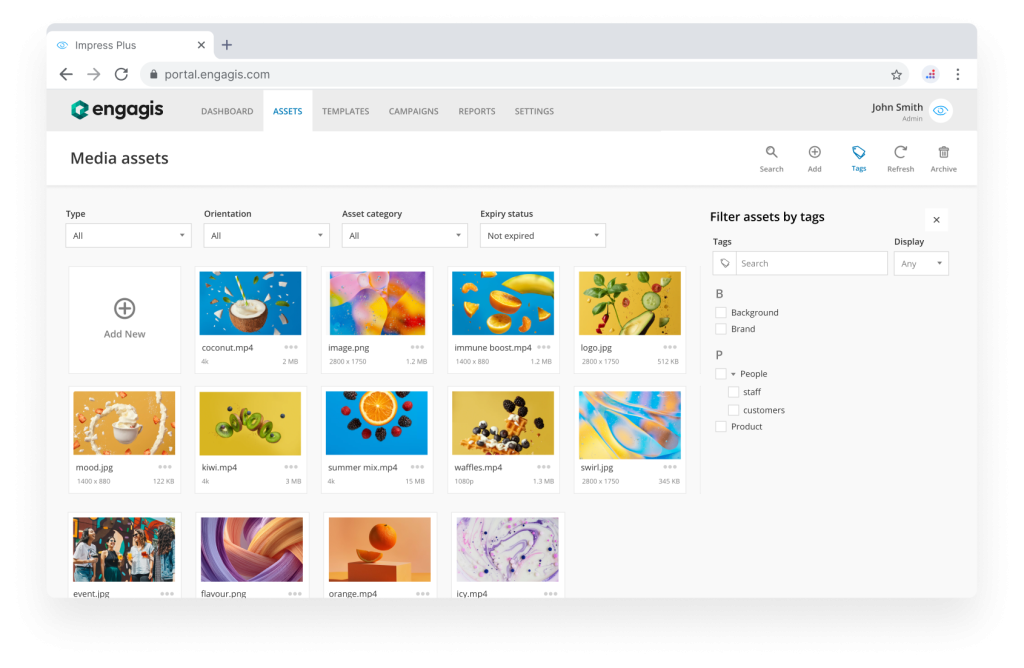
Content updates — whether scheduled, triggered, or real-time — are managed through our Impress+ platform, designed for enterprise scale. Your team retains control without needing to manage hardware or field a technical team.
Frequently Asked Questions (FAQs)
Got questions? Find quick answers to the most common queries about our LED display solutions.
What is LED signage and how does it work?
LED displays use arrays of light-emitting diodes to produce high-brightness, high-resolution visuals across a range of screen sizes and configurations. Unlike static signage, LED screens allow content to be updated dynamically — adapting to promotions, time of day, audience context, or operational requirements. The technology is well-suited to environments where visual impact, longevity, and content flexibility are all priorities.
How long do LED display signs last?
Quality LED displays are typically rated to 50,000–100,000 hours of operation. In practice, lifespan varies meaningfully by environment: indoor installations in controlled conditions routinely achieve 8–10+ years, while outdoor screens face greater demands from heat, UV exposure, and continuous high-brightness operation. Hardware quality and proactive maintenance both play a significant role. We factor expected operational life into every specification we recommend.
Is an outdoor LED display bright enough to read in direct sunlight?
Yes, though indoor and outdoor LED displays are specified very differently. Outdoor screens require significantly higher brightness to remain legible in direct sunlight, along with weatherproofing and structural considerations. Indoor displays prioritise pixel density and viewing-distance optimisation. We assess each environment individually to ensure the right specification is applied.
How do you determine the right pixel pitch for our environment?
Pixel pitch — the distance between LED clusters — directly determines how sharp content appears at a given viewing distance. A finer pitch delivers higher resolution and is suited to close-range viewing, such as an indoor retail display read at 2–3 metres. A larger pitch is appropriate for outdoor installations or spaces where audiences are further away. We calculate the optimal specification based on your minimum viewing distance, content type, and environment.
How does the installation process work for large or multi-site deployments?
For multi-site rollouts, we develop a deployment plan that covers hardware staging, site readiness, installation sequencing, and quality sign-off at each location. A dedicated project manager oversees the full programme, ensuring consistent outcomes and clear communication throughout. We have extensive experience managing national rollouts for retail and corporate clients across Australia.
What is the difference between COB, GOB, and SMD LED?
SMD (Surface-Mounted Device) is the standard LED packaging technology for most commercial displays — individual red, green, and blue diodes mounted in clusters on the cabinet face.
GOB (Glue-On-Board) applies a protective resin layer over SMD modules, improving impact resistance and moisture tolerance for environments where screens may be touched or exposed to cleaning agents.
COB (Chip-on-Board) embeds LED chips directly into the substrate without individual diode housings, producing higher contrast, better uniformity, and greater durability at fine pitches below P1.5mm. The right packaging depends on the environment and the pixel pitch required.
What happens if a panel or pixel fails — can it be repaired?
LED displays are built from individual modules, each carrying its own cluster of pixels, so a fault is almost always contained to a small section rather than the whole screen. A single dead pixel is rarely urgent — it’s when a cluster or a whole module goes down that it needs attention. On a properly installed wall, a faulty module can be swapped out without dismantling the rest of the display, and it’s exactly the kind of thing our ongoing support and maintenance plans are built to catch and fix quickly.
You May Be Interested In
As Australia’s Most Trusted Digital Signage & AV provider, we offer a full range of Digital Signage & AV solutions.
Digital Signage
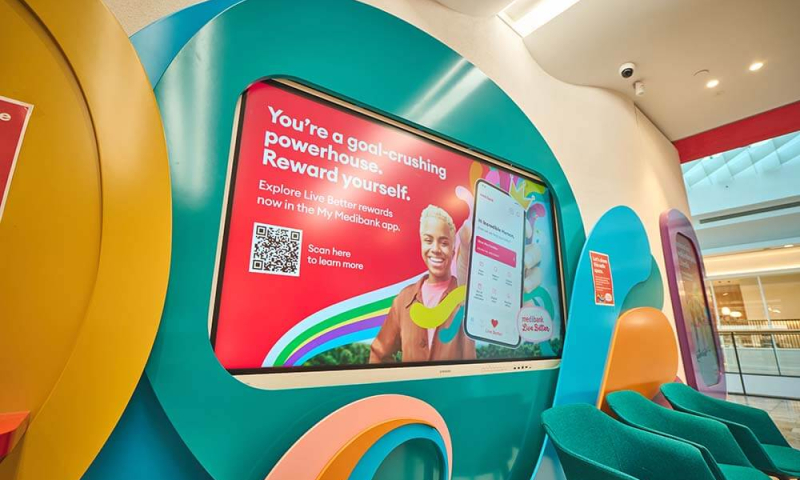
Transform stores and spaces into high‑impact communication channels with end‑to‑end digital signage solutions.
Impress Plus CMS
Australia's enterprise digital signage CMS. Designed for large, multi-site organisations, it delivers the perfect blend of scale, security and creativity.
LCD Signage
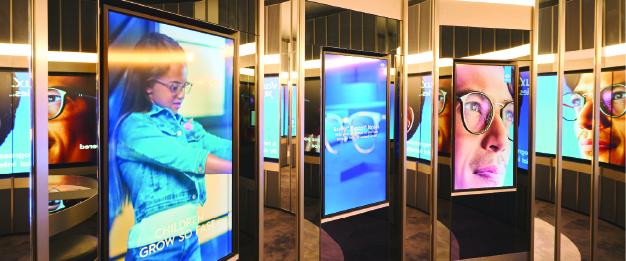
LCD (Liquid Crystal Display) displays are known for their high-quality visuals and versatility, making them ideal for various applications, including indoor, outdoor, and window displays.
Your Digital Signage & AV Starts Here
Get expert guidance, reliable delivery, and ongoing support - end to end. Talk to our team about solutions tailored to your organisation.