Digital Display Monitors, Signage Screens and Sign Boards: What Should Businesses Choose?

Ben Smith
An authority on digital transformation of physical spaces, Ben has 20+ years helping top-tier companies improve their customer and staff experience.

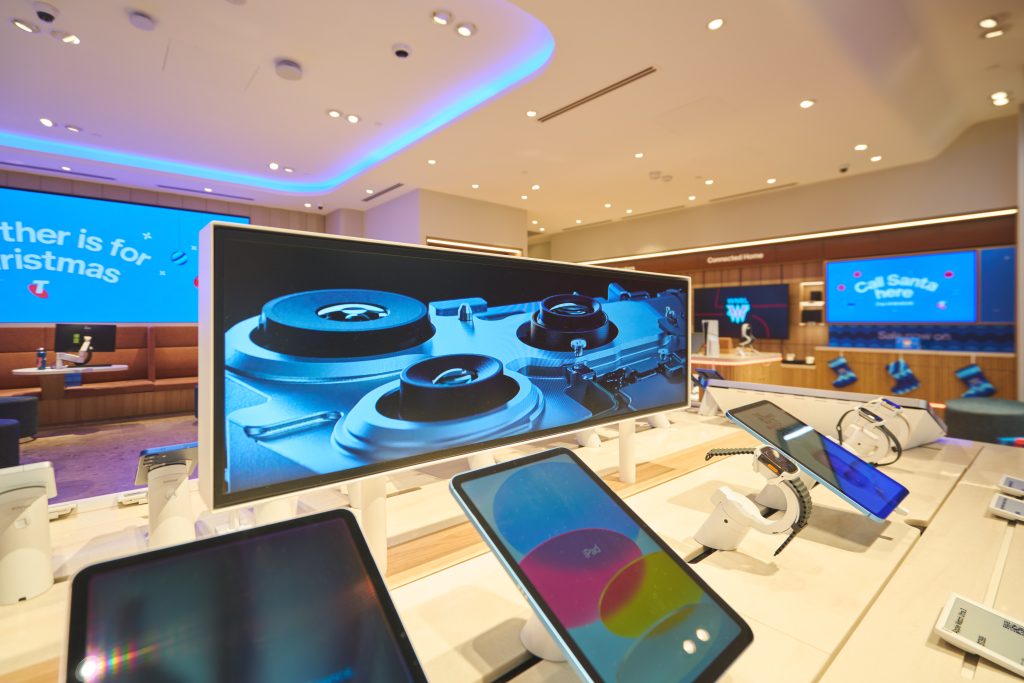
What is the difference between digital display monitors, signage screens and sign boards? The short answer is duty cycle, brightness and how the content gets managed. A digital display monitor is typically a commercial-grade screen designed to run for extended hours, often paired with a media player and content management software. The signage screens category is broader still, covering monitors, video walls and LED panels used specifically for dynamic, updatable content.
Digital sign boards usually refer to simpler, often static or slow-changing displays such as menu boards or directory screens. Choosing between them comes down to how the business plans to use the screen day to day, not which term sounds more impressive on a quote. Two businesses with an identical budget can end up with completely different setups once their content plans are compared side by side.
Are Commercial Displays Different from TVs?
Yes, and the difference matters more than most buyers expect. A standard consumer TV is built to run for a few hours a day, usually in the evening, and is not designed for continuous operation. Digital display monitors built for commercial use are rated for 16- to 24-hour daily operation, with better heat dissipation and components designed to handle that duty cycle without failing early. A consumer TV run continuously in a retail or hospitality setting will often fail within twelve to eighteen months, well before a commercial panel reaches the same point. Consumer TVs also generally lack the ports and mounting options that commercial digital signage screens are built with, such as media player bays and VESA-compliant rear mounts designed for permanent installation.
What Screen Type Should a Business Choose?
The right choice depends on content, budget and how often the display needs updating.
For a business updating content daily or weekly, such as a cafe changing its menu or a retailer running promotions, digital display monitors paired with cloud-based content management software make the most sense. The screen can be updated remotely without anyone visiting the site. For businesses that need eye-catching, high-impact visuals in a lobby or storefront, digital signage screens using video wall configurations create more visual presence than a single monitor can. For simpler use cases like a reception directory or a fixed price list, digital sign boards offer a lower-cost option, particularly where content changes only occasionally. A basic digital signage board of this kind can still connect to the same content management platform as a larger screen, which keeps updates consistent across a site even when the hardware itself is modest.
When Should a Business Use LED Boards?
LED boards suit a specific set of situations rather than general purpose signage. They work best outdoors or in very large formats, since LED technology handles direct sunlight and oversized viewing distances better than an LCD panel does. A car dealership displaying pricing across a large forecourt, or a stadium running scoreboard content, are typical cases where an LED board outperforms a standard monitor. Indoors, at normal viewing distances, digital display monitors usually deliver sharper image quality for the cost, since LED panel pixel pitch becomes less relevant to picture quality once viewers are close to the screen. Any display signage proposal quoting an LED solution for an indoor space under normal viewing distances is worth questioning, since it is rarely the most cost-effective option at that scale.
Choosing Between Monitor, Screen and Board
A few practical questions help narrow the decision.
- How often will content change?
- How far away will most viewers be standing?
- Is the installation indoors or exposed to weather?
- What is the available budget per unit?
Answering these four questions upfront generally points a business toward the right category before a single quote is requested, which saves time compared to comparing three unrelated products side by side. It also avoids the common mistake of quoting a simple sign board for a job that actually needs a full content management setup, or the reverse, quoting an expensive monitor and media player combination for a job that only ever needed a simple static board.
Frequently Asked Questions
What is a digital signage screen?
A digital signage screen is any commercial display, whether a monitor, video wall or LED panel, used to show dynamic, remotely updatable content rather than fixed print material.
Can I use a TV for digital signage?
Technically yes, but a consumer TV is not built for continuous commercial operation and typically fails faster than a purpose-built digital display monitor, making it a false economy for most businesses.
What is the best display type for business signage?
There is no single best option. Digital display monitors suit frequently updated indoor content, digital signage screens suit high-impact visual displays, and digital sign boards suit simple, infrequently changed information.
Conclusion: Match the Screen to the Content, Not the Other Way Around
The mistake most businesses make is choosing hardware first and figuring out the content strategy afterwards. Whether the right fit is a monitor, a full signage screen, or a simple signboard depends on how often content changes and where the screen sits.
Get in touch with the Engagis team to explore the right option for your business.
You Might Be Interested In
Digital Signage Solutions: A Complete Guide
Cloud-Based Digital Signage: Security, Uptime and Governance for Enterprise Networks

LED vs LCD Advertising Screens Compared
Your Digital Signage & AV Starts Here
Get expert guidance, reliable delivery, and ongoing support - end to end. Talk to our team about solutions tailored to your organisation.