Hospitality Digital Signage: Hotel, Cafe, Restaurant and Drive-Thru Use Cases

Martin Uhr
An expert in digital signage, Martin consults with nationally recognised brands to help develop, plan and deliver large-scale digital signage projects.
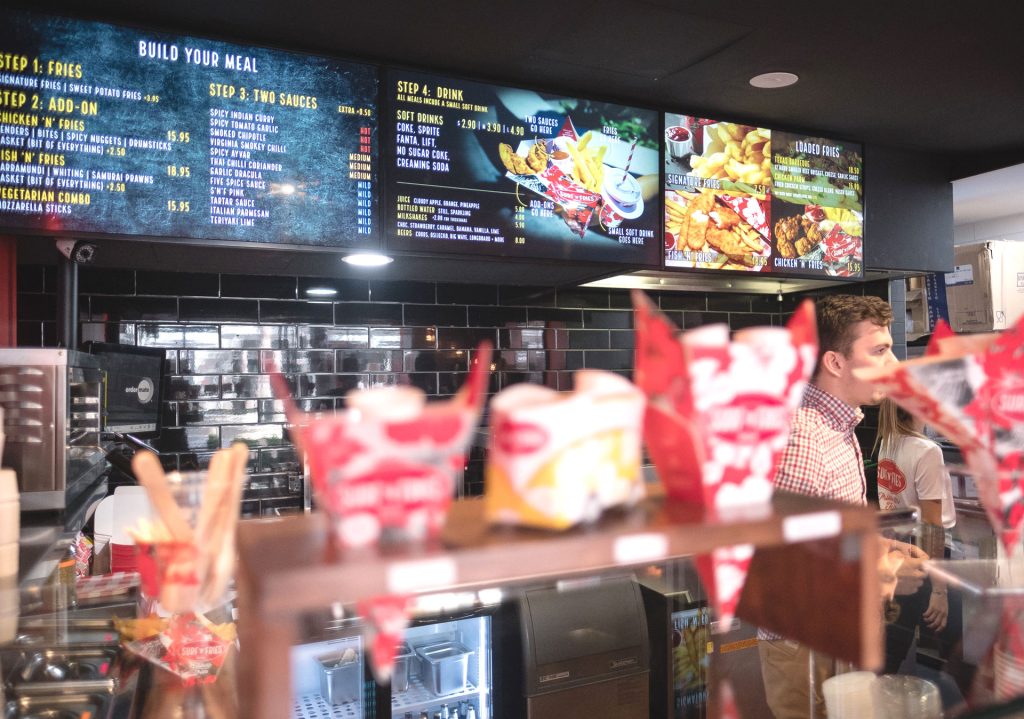
Guests expect clear information quickly. A confusing lobby, slow ordering point or unclear drive-thru menu can affect the whole experience.
Hospitality digital signage helps businesses share timely messages where guests make decisions. Screens can guide visitors, promote offers and reduce service friction. The best setup supports the guest journey rather than adding more visual noise.
What Does a Hospitality Screen Network Do?
Hospitality digital signage is the use of managed screens across hotels, cafes, restaurants and drive-thrus. Content can change by location, time of day and customer need. That flexibility matters in busy venues.
A Sydney hotel may display breakfast times in the lobby each morning. A Melbourne cafe may promote an afternoon offer after the lunch rush. The screens serve different purposes, but both make information easier to act on.
Where Is Digital Signage Used in Hospitality?
(1) Hotels and Guest Areas
Hotel digital signage can help guests find reception, breakfast areas, meeting rooms and event spaces. It can also share check-in guidance and local updates. Clear lobby messages reduce repeated questions at the front desk.
For larger properties, hotel digital signage supports consistent communication across multiple floors and shared spaces. A Brisbane hotel can update an event room change quickly. Guests receive the message before joining a queue.
(2) Cafes and Counter-Service Venues
Cafe digital signage gives customers useful choices before they reach the counter. It can show seasonal drinks, breakfast availability and promotional bundles. This helps the ordering process feel faster.
The content still needs restraint. Cafe digital signage should not rotate so quickly that customers cannot read it. A simple menu message often works better than a crowded animation.
(3) Restaurants and Dining Areas
Digital signage for restaurants can support menus, promotions, waiting-area updates and event information. Restaurant digital signage is especially useful when different locations offer different specials. Local teams can keep messages relevant without changing the brand style.
A Perth venue may use digital signage for restaurants to promote weekday lunch offers. Another location may use restaurant digital signage for booking reminders and private-event directions. The goal is not to display everything. It is to answer the next customer question.
(4) Drive-Thru Queues
Drive-thru digital signage helps customers review choices before ordering. It can highlight meal bundles, availability and limited-time offers. This may reduce hesitation at the final ordering point.
Placement matters. Drive-thru digital signage should appear early enough for drivers to read safely. The message must remain simple, visible and easy to understand from the expected distance.
What Content Works Best?
Start with the guest journey. Hospitality digital signage should solve one problem at each location: orientation, ordering, promotion or reassurance. A lobby screen needs different content from a counter display.
Use a balanced content mix. Hotel digital signage can combine guest guidance with event updates. Cafe digital signage can prioritise menu clarity before promotions. Digital signage for restaurants can support ordering, while restaurant digital signage reinforces local offers.
How Should Hospitality Businesses Plan a Rollout?
Begin with the busiest decision points. Review where guests pause, ask questions or abandon a choice. Then test hospitality digital signage in a small number of locations before expanding.
- Match each screen to one clear guest need.
- Use short messages and readable layouts.
- Schedule content around service periods.
- Review offers, prices and availability regularly.
For drive-thrus, test reading distance and timing carefully. Drive-thru digital signage must support the queue, not distract drivers. For dining venues, digital signage for restaurants and restaurant digital signage should remain accurate during every service period.
How Can Content Stay Useful During Busy Service Periods?
Hospitality content needs frequent review because availability changes quickly. A breakfast item may sell out, an event room may move or a seasonal promotion may end. Assign someone to confirm updates before each major service period.
Hotel digital signage also needs a clear fallback plan. If an event message changes, staff should know who updates the lobby display and where guests should be directed. Simple responsibilities prevent confusion during busy arrivals.
Keep the visual design restrained. Guests should understand the message within seconds. Clear content supports service; clutter slows decisions.
Frequently Asked Questions
Can Small Cafes Use Digital Signage?
Yes. Cafe digital signage can start with one clear screen near the ordering point. Focus on readability and useful content.
Is Drive-Thru Digital Signage Worth It?
It can be valuable when it improves menu visibility and supports faster decisions. Drive-thru digital signage works best with careful placement.
Improve the Customer’s Journey
Hospitality digital signage should make service feel clearer and more consistent. Engagis can help businesses plan the right screens, content and rollout approach. Contact the team to explore options for your locations.
You Might Be Interested In
Digital Signage Solutions: A Complete Guide
Cloud-Based Digital Signage: Security, Uptime and Governance for Enterprise Networks
LED vs LCD Advertising Screens Compared
Your Digital Signage & AV Starts Here
Get expert guidance, reliable delivery, and ongoing support - end to end. Talk to our team about solutions tailored to your organisation.