Use Cases: When to Choose E-Paper Displays Over LED Screens and Vice Versa

Ben Smith
An authority on digital transformation of physical spaces, Ben has 20+ years helping top-tier companies improve their customer and staff experience.
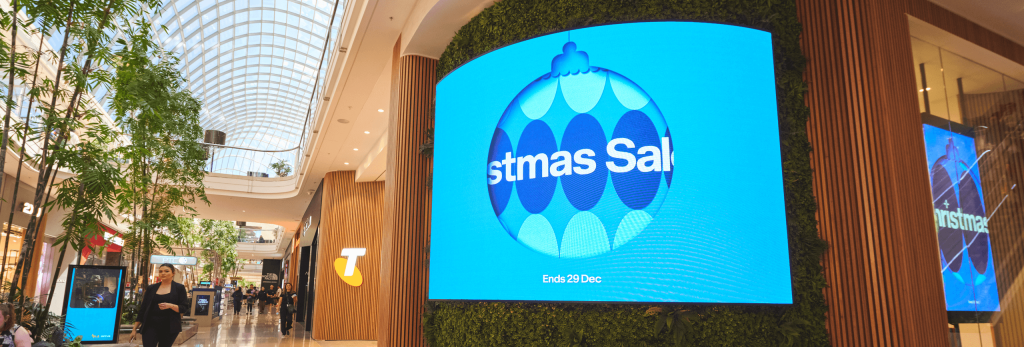
Display tech gets picked for the wrong reasons all the time. Price. Trends. Or because it “looks cool”. Then the screen goes up, the content lands, and suddenly it doesn’t fit the job.
Here’s the real test. Are you sharing information or driving action? Is it indoors or outdoors? Is it always-on info, or a campaign that changes every day? That’s the core of any signage selection guide.
In this article, we’ll compare LED screens & e-paper display options, share clear scenarios, and break down the best use cases for E-Paper and when to use LED screens.
The Simple Difference in Plain Terms
An e-paper display is best when people need to read. Full stop. It’s paper-like and glare-friendly. It suits static content or info that changes slowly. Think signs that people scan, understand, and move on.
LED screens are best when you need to be seen. They’re bright and punchy. They shine with motion, video, and fast-changing messages. If you’re trying to promote, persuade, or spark energy, LED screens do the heavy lifting.
So the quick takeaway is this: e-paper display for clarity. LED screens for impact.
When to Choose E-Paper Displays
Choose an e-paper display when your priority is readability and stable information. This is where the best use cases for E-Paper show up.
In museums and galleries, e-paper works well for exhibit labels, wayfinding, and room-by-room details that change now and then. The text stays easy to read. The display stays calm.
In hospitals and clinics, an e-paper display suits directories, queue updates, and patient-facing signage. People are often stressed. Clear reading matters more than bright visuals.
For transport schedules, e-paper fits timetables and stop information. Users want quick scanning, not a flashy loop.
- Best content types: hours, directions, schedules, lists, rules, room names. Updates can be hourly, daily, or “as needed”.
When to Choose LED Screens
Choose LED screens when your priority is visibility and attention. If your signage needs to compete with noise, movement, and distraction, this is when to use LED screens.
In retail, LED screens are built for promotions. Sales messages, seasonal campaigns, product highlights, and fast-changing offers all land better on a bright screen.
For events and venues, LED works for sponsor loops, stage visuals, and schedules that must be seen from far away. Big spaces need big visibility.
In restaurants and hospitality, LED screens help menus move. You can rotate combos, push limited-time offers, and spotlight upsells without reprinting anything.
And for outdoors, LED is often the default. Brightness and distance viewing are the game.
- Best content types: video, animation, rotating promos, frequent updates, brand storytelling.
Side-By-Side Decision: Signage Selection Guide
Use this signage selection guide to make the call quickly.
Choose an e-paper display if:
- Your message is information-first. Think wayfinding, schedules, and lists.
- People need high readability and fast scanning.
- Your content changes occasionally, not constantly.
- You want a cleaner, quieter look that supports the space.
These are the best use cases for E-Paper in plain sight.
Choose LED screens if:
- Your message is promotion-first. Offers, campaigns, upsells.
- You need motion, video, or a strong visual pull.
- You’re competing for attention in retail, events, or outdoor foot traffic.
- You want content that can change often and still look sharp.
That’s the simplest answer to when to use LED screens.
Conclusion
Pick display tech based on what people need to do. Read calmly, or react fast. That one question clears up most confusion around LED screens & e-paper display options.
The next step is to audit your spaces. Museums, hospitals, and transport usually match the best use cases for E-Paper, but also retail where there is a growing demand and an increasing need. Retail, events, restaurants, and outdoor sites often signal when to use LED screens.
If you want an expert opinion, reach out to Engagis. We’ll help you choose the right display for the job, and avoid expensive “looks good, works poorly” installs.
You Might Be Interested In
Digital Signage Solutions: A Complete Guide
Cloud-Based Digital Signage: Security, Uptime and Governance for Enterprise Networks
LED vs LCD Advertising Screens Compared
Your Digital Signage & AV Starts Here
Get expert guidance, reliable delivery, and ongoing support - end to end. Talk to our team about solutions tailored to your organisation.